Teacher Residency & Registered Apprenticeship Programs
Two pathways with the same mission: supporting aspiring teachers.
Though different in name, the mission of teacher residency programs and teacher registered apprenticeship programs is the same–to provide an accessible pathway for aspiring teachers to enter the workforce.
The National Center for Teacher Residencies (NCTR) works with both teacher residencies and teacher registered apprenticeship programs. It is possible for a teacher residency to be a registered apprenticeship program, and for a registered apprenticeship program to be a teacher residency, though these models may differ in their leadership and partnership structures. Both models prioritize financial support, intensive clinical experience, mentor-guided learning, and strategic partnerships as key components for preparing aspiring teachers and are designed to address the barriers to becoming an educator.
At their core, both pathways recognize that aspiring teachers learn best through meaningful classroom practice while receiving structured support from experienced educators. Rather than asking future teachers to choose between earning a living and gaining the experience needed to be successful, these models intentionally integrate paid, practice-based learning with high-quality preparation. This approach helps cultivate confident, classroom-ready teachers while strengthening the educator workforce.
While the structure, funding, and partnerships that support these programs may vary across states, districts, and educator preparation providers, their shared purpose remains consistent: to recruit, prepare, and retain effective teachers who are ready to meet the needs of students and communities. By reducing financial barriers, providing sustained coaching and mentorship, and creating strong connections between preparation and employment, teacher residencies and teacher registered apprenticeship programs offer innovative, sustainable solutions to today’s teacher workforce challenges.

Partner With Us
NCTR provides consulting services to design and launch or strengthen a teacher residency or registered apprenticeship program.
NCTR Definition of High-Quality Teacher Residencies and Registered Apprenticeship Programs
The goal of a teacher residency is to produce state-certified educators from the community who are well-prepared to teach the school’s curriculum and student community. It is an evidence-based preparation model in which aspiring teachers (teacher residents) spend a full academic year co-teaching in a classroom alongside an effective teacher (typically referred to as a mentor teacher) who receives ongoing professional learning to support residents’ development.
Grounded in a strategic partnership between a school or district and an educator preparation provider (e.g., a school of education), the model integrates rigorous coursework with hands-on classroom practice and provides financial support for the resident (e.g., through stipends, scholarships, or tuition assistance) to make entry into the teaching profession more affordable and accessible.
A registered apprenticeship program (RAP) for teachers is an employer-led, work-based learning system that combines structured on-the-job training with supplemental related instruction to prepare individuals for full state licensure. As a federally recognized “apprenticeable” occupation, RAPs require aspiring teacher candidates (called apprentices) to be employed by a district or school and paid according to a progressive wage scale. Apprentices work under the guidance of an experienced “journeyworker” (also known as a mentor teacher) and must complete a designated number of hours and competencies.
Adopted July 2026
The Roles of Teacher Residency and Registered Apprenticeship Programs
Teacher residency and registered apprenticeship programs are built on the power of shared responsibility—bringing together preparation providers, school districts, and community partners to develop and support effective educators. Each partner plays a distinct but interconnected role, from designing and delivering high-quality training to providing hands-on classroom experience to ensuring candidates receive the coaching, resources, and support they need to succeed.
Understanding these roles helps clarify how these programs work—and why they are so effective. By aligning responsibilities across partners, teacher residencies and registered apprenticeships create a cohesive, practice-based pathway into the profession that benefits aspiring teachers, schools, and the students they serve.
Teacher Resident/Apprentice

A teacher resident or apprentice is an aspiring educator who is well-prepared to gradually take on teaching responsibilities and typically commits to teaching in the same district after the program.
Interested in becoming a teacher resident? Visit our Contact Us page.
Mentor Teacher/Journeyworker
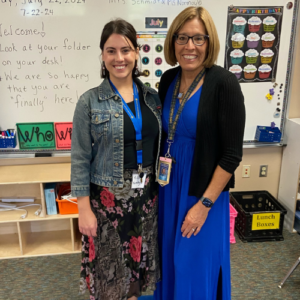
A mentor teacher or journey worker is an experienced educator who guides, coaches, and supports a teacher resident or apprentice through hands-on classroom training, modeling effective instruction, and helping them develop the skills needed to lead their own classroom.
Principal & School

Principals and schools host and support teacher residents and apprentices, selecting and coaching mentor teachers, and creating strong learning environments for hands-on training. They help ensure teacher residents and apprentices are prepared to succeed in the classroom and are often key partners in hiring and retaining them as long-term educators in the school or district.
Graduates

Graduates of teacher residency and registered apprenticeship programs commit to serving their school district for a specified period after completing their residency. Residency and apprenticeship programs boast an active alumni teacher support network, with many going on to become mentor teachers, principals, and senior administrators in their schools.
State Education Agencies
State education agencies (SEAs) play a critical role in strengthening teacher preparation by setting educator certification requirements, implementing state and federal education policies, and supporting high-quality preparation pathways. They partner with educator preparation providers, school districts, and other stakeholders to ensure programs align with state workforce needs, promote continuous improvement, and prepare well-qualified teachers to meet the needs of all students.
Our Work
NCTR’s Levers for Teacher Residencies reflect more than 15 years of experience partnering with teacher residency programs across the country to design, launch, strengthen, and sustain high-quality pathways into the teaching profession. Grounded in research and informed by the successes and lessons learned from working alongside school districts, educator preparation providers, and community partners, the levers represent the essential components of an effective teacher residency. They provide a practical framework to help programs recruit, prepare, support, and retain highly effective teachers who are equipped to meet the needs of the students and communities they serve. Whether launching a new program or strengthening an existing one, NCTR’s levers guide continuous improvement and help ensure teacher residency programs are built for long-term impact and sustainability.